Make a good CV to find work in the Netherlands!
Are you enthusiastic about starting your career in the Netherlands? The first step is to create a Curriculum Vitae that grabs the attention of Dutch employers; it's the perfect way to present yourself.
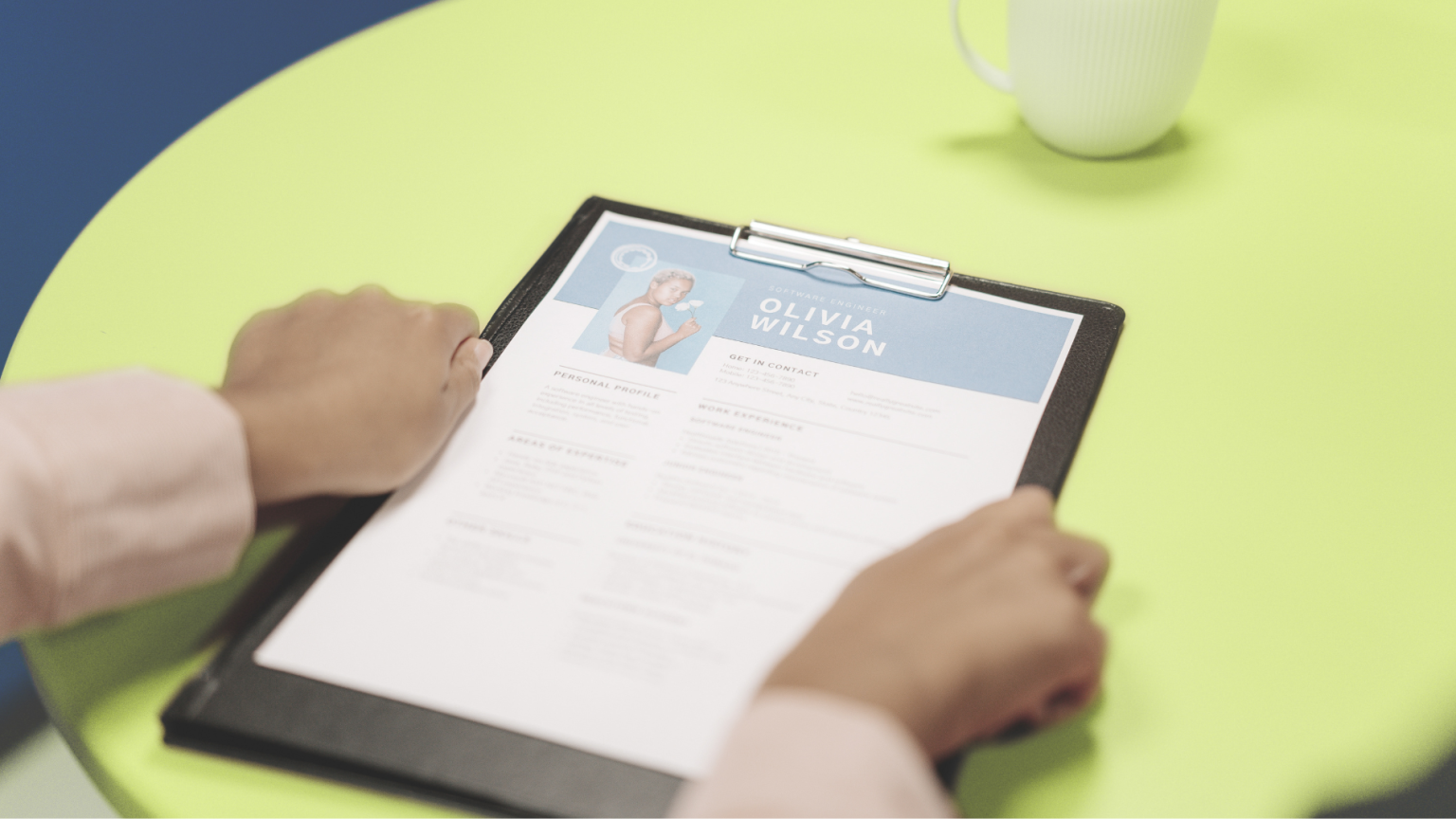
Unfortunately, at Talent Hunter Netherlands, we see many Curriculum Vitae that don’t meet basic standards or can be greatly improved.
To help you stand out in the job market, we’ve compiled this guide on how to create a strong Curriculum Vitae that catches the attention of Dutch employers in just 8 points:
1. Your Personal Information
At the top of your Curriculum Vitae, include your name, address, phone number, and email address. Use a professional email address since employers often use email to contact candidates. And if you can add a neat photo, we really recommend it, as it allows the employer to put a face to your Curriculum Vitae, although it’s not mandatory.
2. Profile or Introduction
In a few sentences, write a brief introduction about your professional goals, skills, and what you can contribute to a job.It’s recommended to tailor this section to the specific job you’re applying for. And if you’re willing to learn new things for a job you have no experience with, mention that.
3. Work Experience
List your work experience in order, starting with your most recent job and working backward to the first job you had. Include the names of the companies, your positions, the dates you worked there, and a brief description of the work you did and what you achieved. Focus on your accomplishments, but be concise.
4. Education
Write about your education, starting with your most recent diploma. Include the name of the school, the degree you obtained, your specialization or field of study, and the graduation date. If you have special certificates, courses or training,add them if they’re relevant to the job you’re applying for. If you don’t have a degree, don’t worry.
5. Skills
This section is where you can highlight what makes you special and what your skills are. They can be technical skills, but also social skills. Not everyone has technical experience. But, pay attention, if you’re good with computers or with a specific program, mention it as well.
6. Languages
List the languages you speak and indicate your proficiency in each. Speaking English is usually an advantage in the Netherlands, but for certain jobs, it’s important to speak Dutch. If you have certificates confirming your language proficiency, add them. If you don’t, don’t worry, but be honest about your level, as they’ll likely evaluate your English level during the job interview.
7. Additional Information
Use this section to include other important information about yourself. For example, if you’ve done volunteer work, internships, or even your hobbies. For instance, if you’ve played soccer for a long time, it says something about teamwork and your social skills.
8. References
In the Netherlands, it’s common to include references in your Curriculum Vitae. You can provide their contact information or indicate that you have references available to provide under the work experience you’ve listed. Adding a reference gives a sense of reliability. Don’t worry, it’s not necessary to have this in writing, contact information such as the name of a manager and phone number is sufficient.
Do you have all these points in your CV?
Follow these tips to add something extra to your CV; the small details make the difference when it comes to catching recruiters’ attention.
So here are a few last tips to make a good Curriculum Vitae:
- Keep it short: Dutch CVs are usually shorter than elsewhere. Try to keep it to a maximum of two pages.
- Tailor it: Customize your Curriculum Vitae for each category of job you’re applying for. Emphasize the skills and experiences that align with the job you’re aiming for.
- Be honest: Make sure your Curriculum Vitae is truthful and shows what you’ve done in the past.
- Add a photo: Although it’s not mandatory, many people add a photo to their Curriculum Vitae in the Netherlands. Make sure it’s a clear and well-lit photo, and that you look professional. Avoid selfies at all costs.
- Save it as a PDF and give it your name as the title: This makes your Curriculum Vitae easy to find and won’t get lost among other CVs with the same name. And since it’s in PDF format, you prevent it from being accidentally altered.
- Write it in English: Since English is widely spoken in Dutch companies, your Curriculum Vitae should be written in English. This increases your chances because the recruiting agency can send your Curriculum Vitae abroad.
Your Curriculum Vitae is how you make a first impression. If you’re ready to apply for jobs at Talent Hunter, you have a solid Curriculum Vitae that will help you find a job with accommodation in the Netherlands.
Don’t forget to attach your Curriculum Vitae when applying for our vacancies and follow up your application with your profile on our website.
Good luck with your professional career in the Netherlands!